"Every recycled device is a step toward a cleaner planet and a more sustainable future."
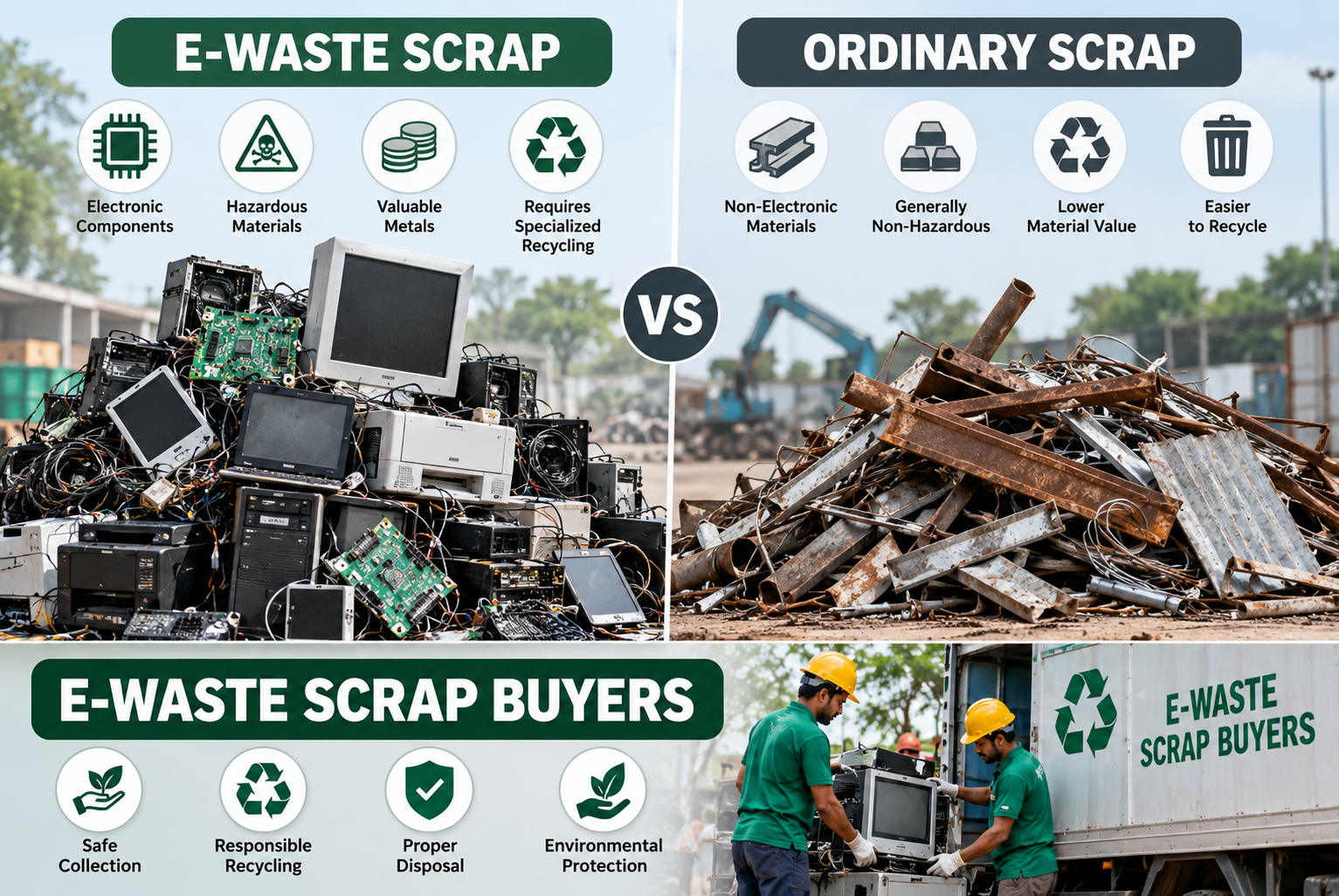
Is every discarded item really just scrap? When an old phone, computer, printer, cable, or electronic appliance stops being useful, it may look like something ready for the scrap pile. But e-waste is different because it contains a mix of valuable materials, reusable components, and substances that need to be handled carefully. How it is collected, sorted, dismantled, processed, and recycled can make a major difference to both resource recovery and responsible waste management. In this blog, we will explore what makes e-waste different from ordinary scrap and look at the important factors that set electronic waste apart. For businesses and individuals looking to dispose of unwanted devices responsibly, understanding how E-Waste Scrap Buyers in Chennai handle such materials can also make the process easier to understand.
When put together as an aggregate of e-waste, it may appear to be ordinary scrap, but e-products comprise a mix of materials. A junked computer, mobile phone, printer or TV or appliance may have a variety of metals, plastics, glass, circuit boards, wires and a few smaller parts. These materials are mixed together in a single product, which makes them more difficult to sort and process when it comes to e-waste.
The blended nature of electronic products is what also provides recovery opportunities. Instead of assuming that the device is one type of waste, various parts can be separated and sent to an appropriate recycling or recovery operation.
Not all electronic products can be processed in the same manner. A mobile phone will have very different parts, a desktop computer has very different parts, an air conditioner has very different parts, a printer has very different parts and a large household appliance has very different parts. They differ in size, construction, and electrical components and material combinations, which affect their collection, disassembly and processing.
Knowing what kind of e-waste it is aids in the sorting process for recyclers. It also avoids the mixing of different products which need distinct treatment and/or recycling procedures.
When an electronic product stops working, that doesn't mean it is of no value. Some materials, components, wiring and circuit boards may still have recovery or reuse value. This is because materials that are useful might still be around in a device that has not been used or is broken.
This hidden value is why e-waste is kept separate from the regular garbage. By sorting correctly, a valuable material can be found rather than becoming mixed waste which is harder to recover.
Proper sorting of e-waste before processing makes recycling more easier. Products may be a mix of materials and electronic recyclers can have different types in their facility, which is why it's useful to have products sorted into the right categories. Sorting also facilitates easier identification of items that can be reused, refurbished or dismantled.
Therefore, good sorting is an essential first step and not a small component of recycling. It helps to provide a more streamlined material flow and enhances the likelihood of valuable parts recovery.
Also Read This: Everything You Need to Know Before Selling Your Old Electronic Scrap
There are numerous individual parts to a discarded electronic device, and some of them still have a value. Some components may be reusable, refurbishable, scraped, or recycled using specific processes. Through recovery, the useful aspects of a product are not automatically deemed as garbage.
This is especially applicable to the replacement of electronic equipment that is upgraded as well as replaced due to physical failure. Even though an item no longer has a recovery value, it may still contain chemicals that can be recovered.
While it is important that electronic waste not be handled as a typical scrap item, there are some items that need carefully controlled handling. Damaged, crushed, burned, or improperly dismounted batteries, electrical components and other parts can pose a hazard. These materials are held away from inappropriate disposal routes through the use of appropriate collection and processing methods.
Old electronics can have valuable information and valuable materials. Personal files, passwords, business documents or other confidential information can be stored in computer files, on a mobile device such as a cell phone, tablet or memory device, or in office equipment. Deleting a couple of files isn't always enough if sensitive information is in question.
E-waste may begin as a pile of outdated or damaged electronics, but what happens next depends on how those items are handled. Proper sorting, responsible dismantling, material recovery, safe disposal, and data protection can turn unwanted devices into useful resources while reducing unnecessary waste. Understanding the difference between electronic scrap and ordinary scrap helps individuals and businesses make more informed disposal choices. Working with reliable E-Waste Scrap Buyers in Chennai can also make the collection, assessment, and recycling process more organised while giving old electronics a more responsible end.
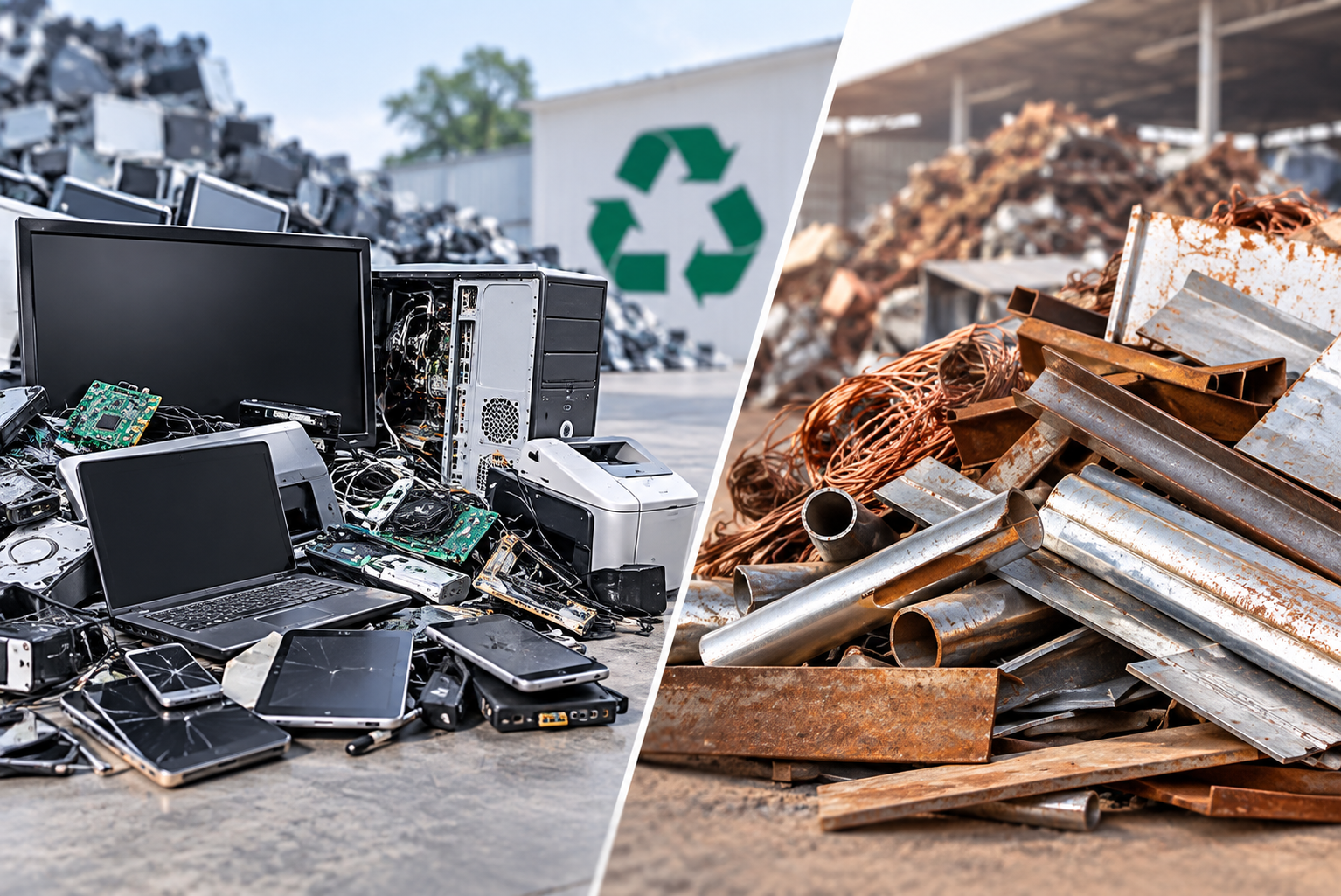
Old computers, mobile phones, printers, televisions, cables, circuit boards, electronic appliances, batteries, and other unwanted electrical or electronic equipment can fall under e-waste.
Yes. Even when a device no longer works, some components and materials may still have recovery or recycling value. The actual value depends on the type, condition, quantity, and material composition.
Yes. Separating different types of electronics can make inspection, handling, and material recovery easier. It can also help prevent unsuitable materials from being mixed together.
Back up important information, remove accounts, and securely erase sensitive data from computers, phones, storage devices, and other electronics before handing them over for recycling.
Check whether the buyer can clearly explain the collection process, material assessment, handling practices, documentation, and recycling arrangements. Clear communication about the type and quantity of e-waste can also make the transaction easier.
© 2026 MMM Traders.
| All rights reserved | Design and Developed By