“Choosing the right scrap buyer is not just about the highest price; it is about the best overall value.”
When old machinery is taking up valuable space in your factory, workshop, warehouse, or industrial facility, selling it as scrap can be a practical way to recover some value. But trying the first scrap dealer you call may not yield the best outcome. Heavy equipment, machine parts, motors, electrical components, metal buildings, tools, and other industrial, heavy items can be considered Machinery Scrap Buyers in Chennai, and they may yield varying amounts of scrap value. If you're resolving to sell your machinery, you must know what you have, the way it will be assessed, and if the person buying from you is reliable. With a little prep work, you can prevent low offers, unexpected deductions, safety concerns, and having to wait.
If you are planning to sell old or unused equipment, here are 7 important things to check before selling machinery scrap.
The first step is to understand exactly what you are planning to sell. Machinery scrap is not limited to one particular category. It may include manufacturing machines, industrial equipment, machine tools, motors, generators, pumps, compressors, electrical panels, and various metal components. Before calling in any machinery scrap buyers, have a simple device list of the gear that you have. Be sure to provide the following information:
The machinery's state of repair can also impact its worth. If all the parts have been taken apart, the machine doesn't fit the criteria for resale, but it could have a good resale value if it is not completely hopeless. Before accepting the remaining material as scrap, some buyers may want to buy finished machinery. Having good photos of the machines will also help in the initial quotation process. Photos of the complete machine, identification plate, major components, and overall condition can assist the potential buyer in understanding what they are looking at.
Weight is one of the most important factors in machinery scrap transactions. Since many industrial machines contain large quantities of metals, knowing the approximate weight can help you understand the potential value of your scrap.
Machinery may contain materials such as:
Some metals are worth more in the market than others. For instance, the extent of copper parts may be of high priority compared to a steel framework. Likewise, even though the machine is considered scrap because the entire unit is constructed of aluminium or brass, it may still be worth more than a machine that is comprised primarily of iron. Always check for an accurate weight, if available, from a weigh facility or from manufacturer specifications. If the weighing is done by the buyer, ensure that the transaction is transparent, and you know what type of weight the buyer quoted is referring to: gross, net, or estimated.
The most common error made by sellers is taking the first bid quote. Scrap may be priced differently depending on the market, material quality, transportation expenses, processing demands, and the way the market works. It's worthwhile to seek out a couple of machinery scrap companies for details before coming to a decision. Make sure you obtain quotations that are explicit from each buyer and verify what is included in the offer.
When looking at quotations, take the following into account:
A buyer offering the highest price on paper may not always provide the highest final payment if several charges are deducted later. Differentiate between the quoted rate and the expected final amount rather than just paying attention to the quoted rate. It's important for a transparent buyer to be able to tell you how the quote comes to a total.
Also Read This: From Scrap to Profit: Everything You Need to Know About Aluminium Recycling
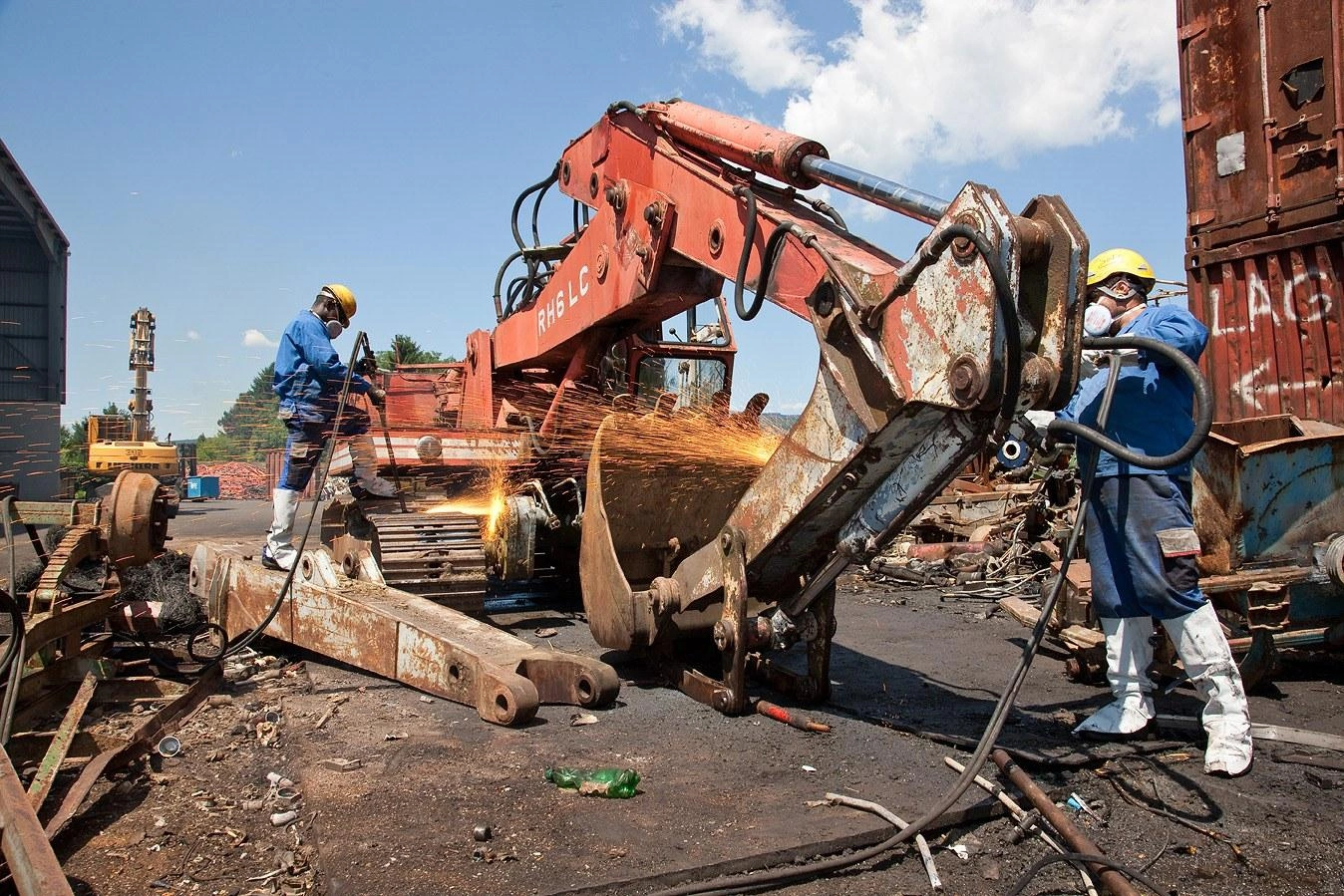
Heavy equipment is not like regular scrap and is hard to remove. Industrial equipment can be very structural, immobile, plugged into electrical fixtures, and hard to reach. Prior to agreeing to sell, request the identity of the purchaser responsible for taking down the building, loading and moving it. These services may require the sellers to organise them individually with other buyers. This could have a significant impact on the overall price. So, check the information before closing the deal and avoid surprises during the removal process by discussing all items in advance.
For example, a purchaser could offer the following:
It's as significant to find the right equipment-scrap merchant as it is to obtain an amazing price. There may be a significant amount of material, heavy machinery, and on-site disassembly. Dealing with an unfamiliar and unreliable buyer can cause unwanted issues. You need to verify the buyer's experience in industrial and machinery scrap before closing the deal. Seek out a company that provides clear information regarding the place it operates, professionalism of communication, documentation practices, and expertise in dealing with similar equipment.
You can also check:
The buyer's workers must be guided by the safety rules of the site and take care with the equipment. Your reliable machinery scrap deal should clearly articulate its quote, removal process, payment, and documentation.
Scrap might not be limited to metal when it comes to machine scrap. Oil, lubricants, batteries, electrical components, hydraulic fluids, or other materials can be found in old industrial complexes and should be disposed of carefully. Dismantling done incorrectly may cause injuries or spills and damage to property or the environment. For this reason, safety shall not be neglected in spite of their sale as scrap. If the job entails dismantling, be sure to identify those parts of the system that may be hazardous and take the appropriate steps.
Labelling and handling of stored fluids need to be done appropriately, and electrical machinery disconnected safely. The buyer's team should also equip themselves with appropriate machinery and the necessary safety precautions when cutting, lifting, and transporting heavy machinery. If your company has internal safety and/or environmental measures, tell the scrap buyer prior to the start of any work.
“Before selling machinery scrap, know its value, understand the process, and choose your buyer wisely.”
After getting the price fixed, don't forget the payment process. Be clear about payment options, whether in terms of time or method. This could be after weighing of machinery, loading of machinery or through other mutually agreed terms depending on the transaction. Before turning the machine over, ensure that you are familiar with how to do it. Keeping proper documentation is especially crucial for businesses, as it will serve as their accounting and internal records. When selling machinery owned by a company, ensure in-house approvals are completed. Records of assets may also need to be changed following the removal of the equipment.
It is also important to have appropriate records maintaining the transaction. These are some of the documents that may be important:
It can also be a good strategy to sell machinery when it is outdated, out of use or damaged, or it no longer meets production needs. But when wholesale transactions are conducted, it's important to make the necessary preparations to guarantee you get your deserved value and dodge potential complications. Before selling, find out what equipment it is, its weight and contents, compare different quotes, check dismantling and transport arrangements, check the reliability of the buyer, consider safety issues, and check payment and documentation. All of this can simplify and increase transparency in the selling process. Most of all, using trusted and expert Machinery Scrap Buyers in Chennai can assist you in bringing out the worth of your outmoded industrial machinery without making the work too complicated.
Manufacturing machines, industrial equipment, machine tools, motors, generators, pumps, compressors, electrical panels, and various metal components can generally be considered for machinery scrap, depending on the buyer's acceptance criteria.
Yes. The working or non-working condition, completeness, major components, material composition, and overall state of the machinery can affect how the buyer evaluates it. Some buyers may also consider complete machinery for resale before treating it entirely as scrap.
Compare the cost per tonne or kilogram, estimated total value, weighing method, transportation charges, loading charges, labour costs, dismantling charges, applicable deductions, and payment terms rather than looking only at the quoted rate.
They may or may not be included. Before closing the deal, confirm whether machinery dismantling, cutting, loading, labour support, crane or lifting equipment, transportation, and site clearance are covered in the buyer's offer.
Professional Machinery Scrap Buyers in Chennai can provide a more organized approach to machinery evaluation, dismantling, safe removal, weighing, transportation, payment, and documentation, helping sellers manage heavy industrial scrap more efficiently.
© 2026 MMM Traders.
| All rights reserved | Design and Developed By